Research
Our lab develops biomarker-driven strategies to enable early detection, risk stratification, and precision prevention. We combine mechanistic insight with clinically grounded assay development.
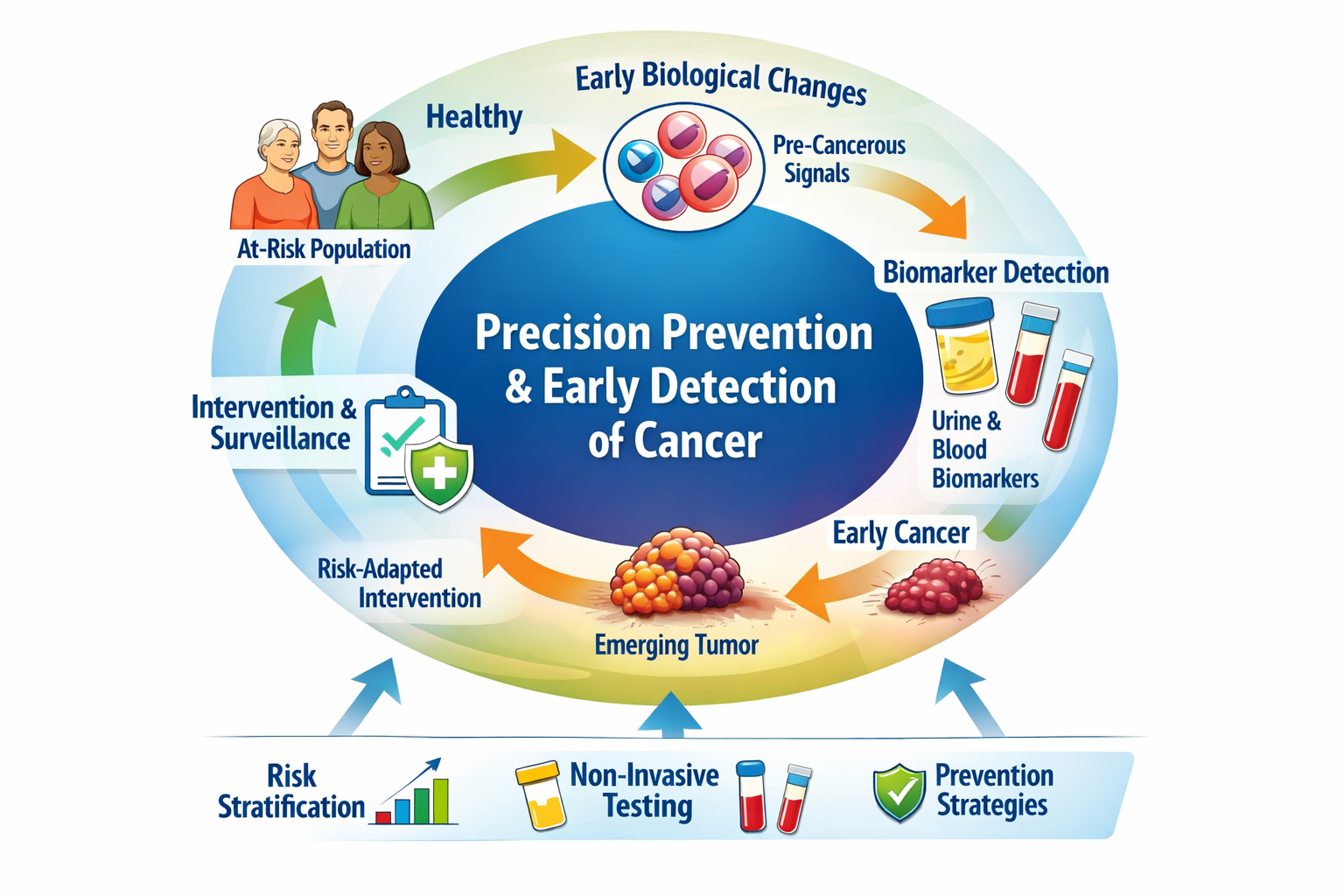
Precision prevention and early detection
We seek to identify measurable biological signals that emerge before clinically evident cancer, enabling non-invasive detection, longitudinal surveillance, and risk-adapted intervention.
Conceptual focus
- Pre-diagnostic and early tumor–associated biological states
- Risk stratification beyond presence/absence of disease
- Prevention-oriented clinical decision support
Approach
- Carefully curated clinical cohorts
- PRoBE-style principles when feasible
- Emphasis on assays compatible with real-world clinical workflows
Biomarker panels and assay development
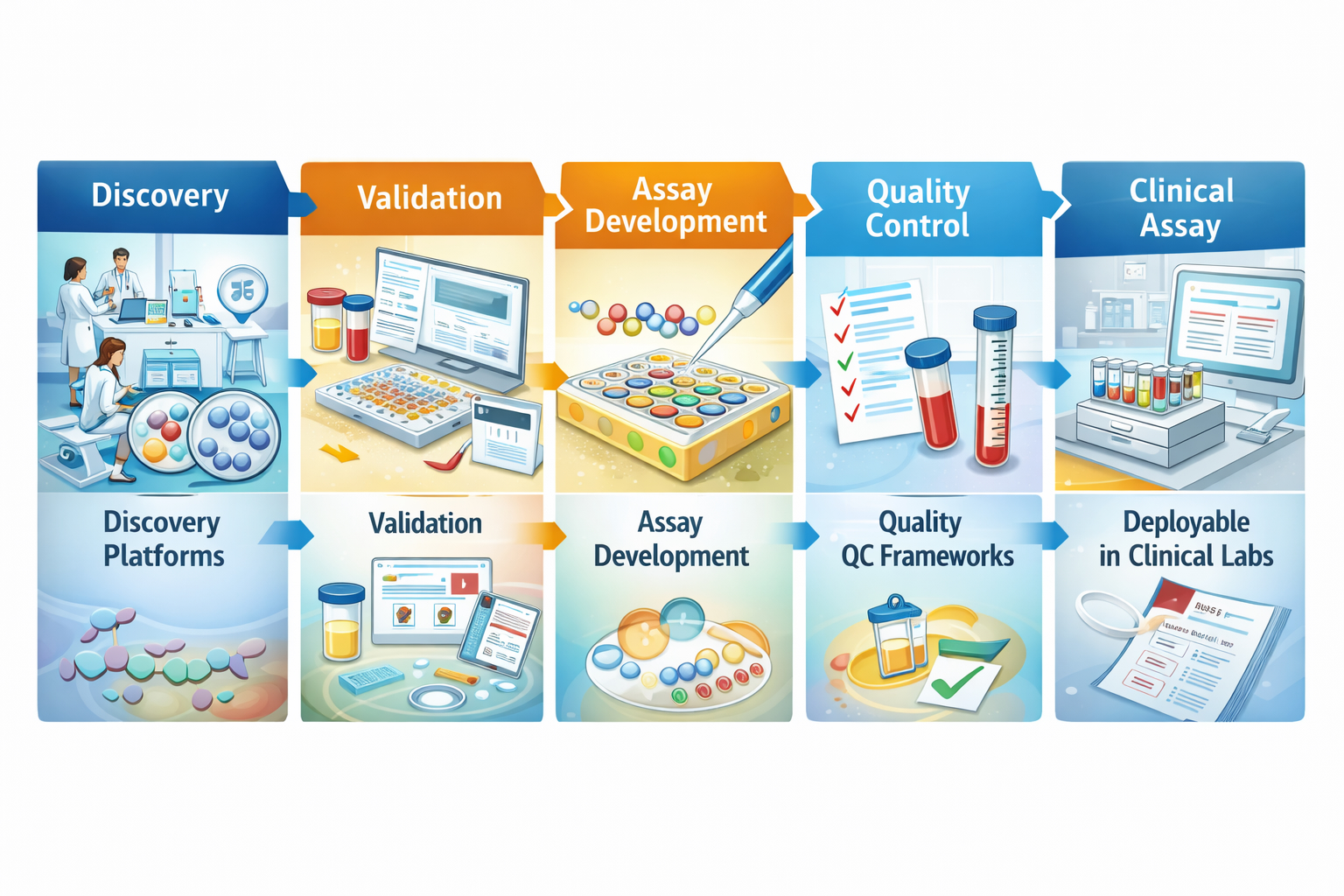
Our work prioritizes translation, with a focus on developing assays that are analytically robust, scalable, and deployable in clinical laboratories.
Translation priorities
- Multiplex protein biomarker panels (primarily urine-based)
- Reproducible quality-control and analytical validation frameworks
- Systematic bridging from discovery platforms to targeted, locked assays
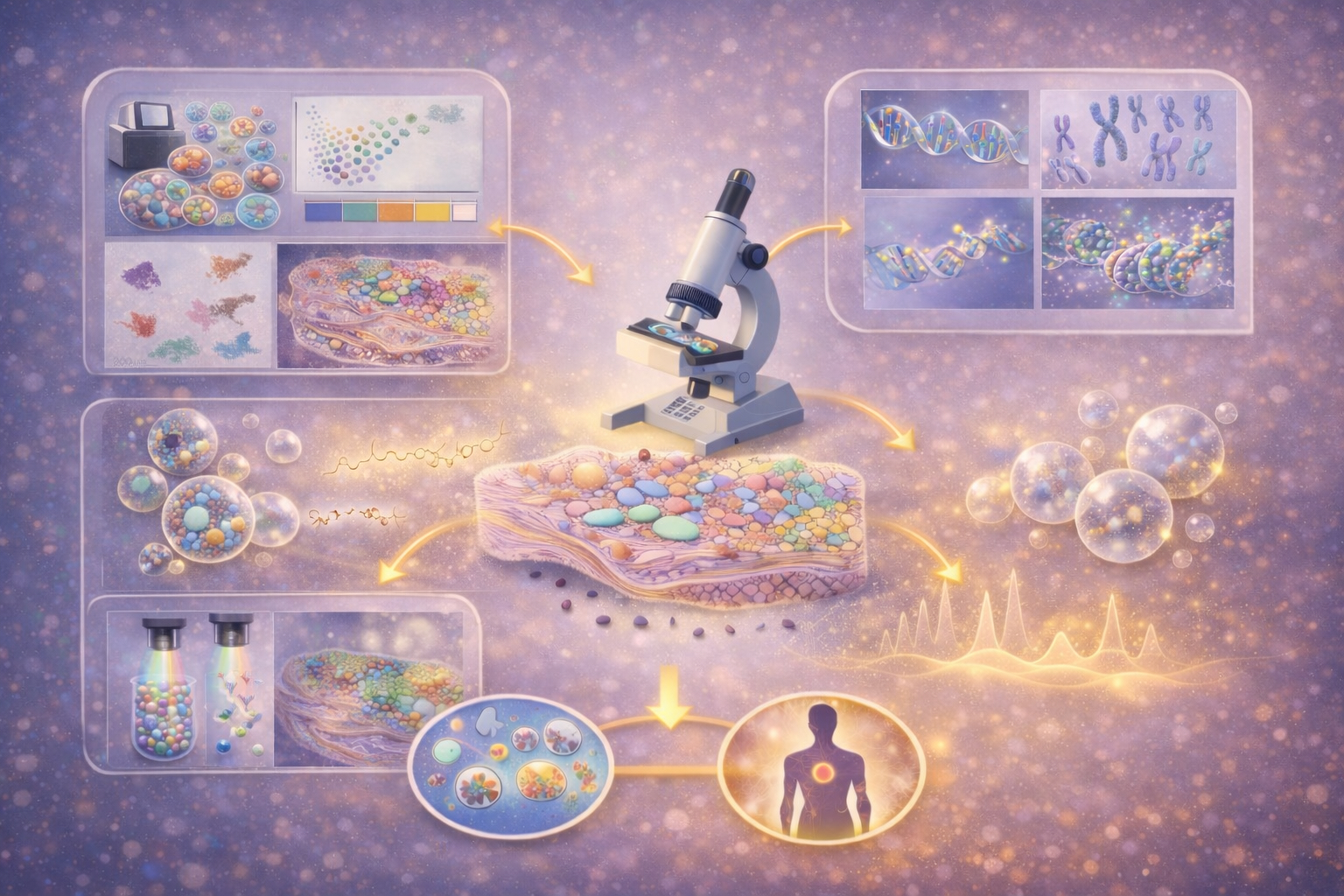
Spatial and multi-omics biology
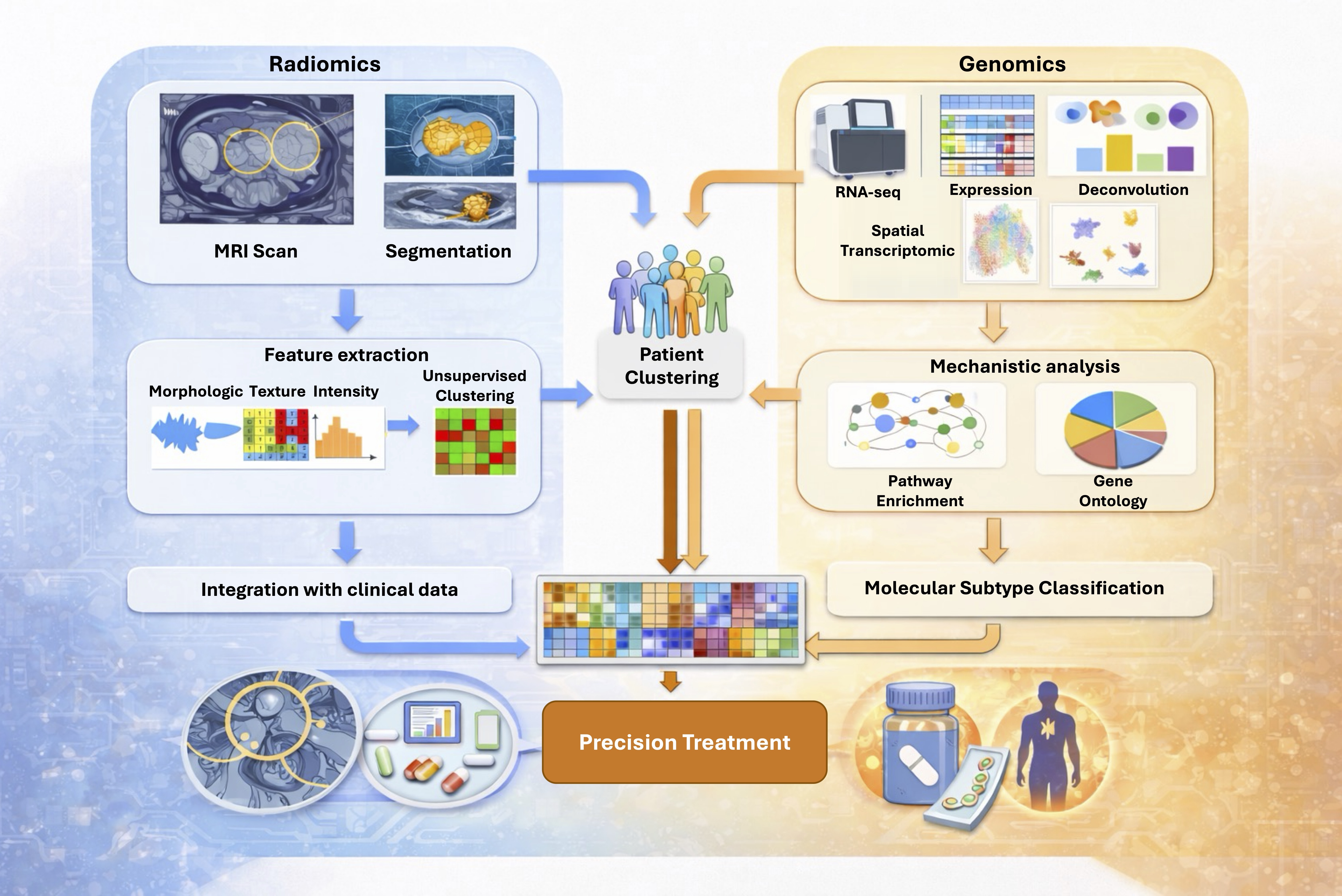
We connect tissue-level biology to measurable biomarkers and clinical outcomes, enabling mechanistic interpretation of non-invasive signals.
Representative methods
- Spatial transcriptomics and spatial proteomics
- Bulk profiling with targeted validation
- Integrative analysis across cohorts, platforms, and experimental models
Experimental models to support temporal biology
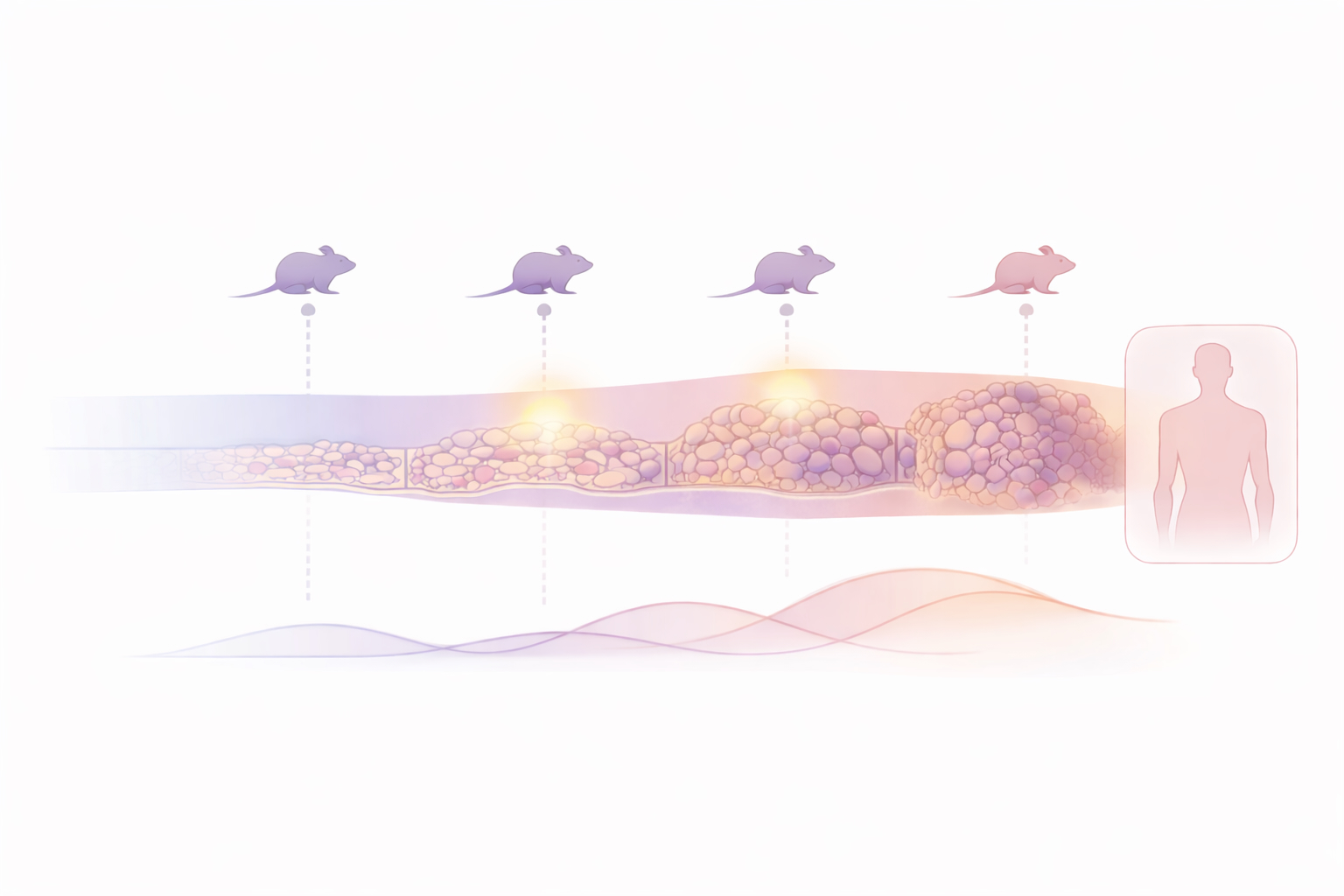
We leverage experimental models to understand how early tumor-associated states evolve over time and how these dynamics shape detectable biomarker signals.
Goals
- Define temporal trajectories of tumor initiation and progression
- Link evolving tissue biology to urine- and tissue-based biomarkers
- Support hypothesis-driven interpretation of clinical findings
If you’d like to collaborate, please reach out via Contact.